Before the Garden Rests: Simple Ways to Prepare for Winter
from the journal of Irony & Ivy
Thoughtful autumn garden care for a healthier spring
There is a certain beauty in a garden as the growing season comes to an end.
The colors soften, the days grow shorter, and the work that kept us busy through spring and summer begins to slow. Even the most productive garden eventually needs a season of rest.
But before we put away our tools and close the garden gate, there are a few thoughtful things we can do to prepare for the months ahead.
These small efforts aren’t about making everything perfectly tidy. They’re about caring for what we’ve grown and giving next spring a good beginning.
Begin With a Gentle Cleanup
By autumn, most gardens have a collection of spent plants, fallen leaves, and empty containers.
Start with anything diseased or heavily infested. Remove it from the growing area and dispose of it appropriately rather than leaving it where problems may return next season.
Healthy plant material is another matter. Leaves can be used as mulch or composted, and many standing perennial stems and seed heads provide winter shelter and food for wildlife.
A garden doesn’t need to be stripped bare to be well cared for.
Give the Soil a Little Attention
Healthy soil is one of the best gifts we can give a garden.
After clearing finished vegetable crops, consider spreading a layer of finished compost over the beds. Mulch can help protect exposed soil from erosion and temperature changes.
There’s usually no need to turn everything over. In many gardens, leaving the soil structure undisturbed is beneficial.
Think of this as putting a blanket over the garden before winter arrives.
Take Care of Pots and Containers
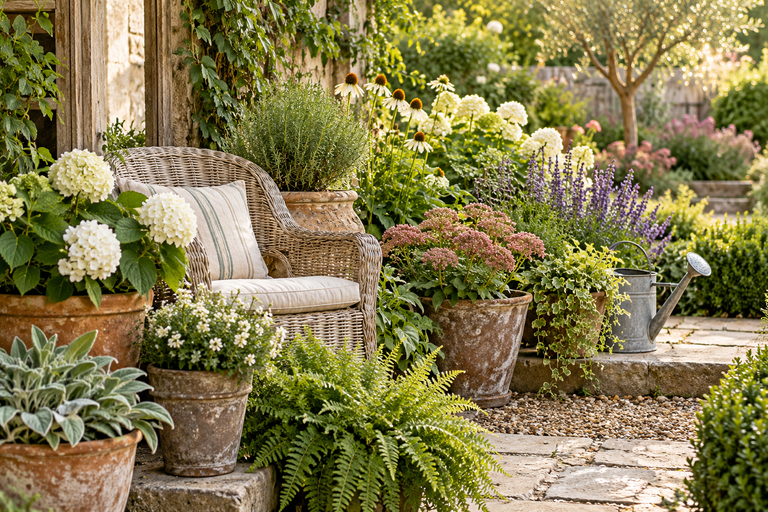
Container gardens deserve a little attention before freezing weather.
Empty and clean pots that won’t be used through winter, especially those that might crack when water freezes inside them. Store delicate terracotta containers somewhere dry and protected.
For perennial plants that remain in pots, remember that roots are more exposed to cold than they would be in the ground. Depending on your climate, they may need insulation or a sheltered location.
And don’t forget to water overwintering plants occasionally when the soil is dry and conditions allow.
Prepare Your Tools for Spring
One of the nicest things about beginning a new gardening season is reaching for tools that are already clean and ready.
Brush soil from shovels and hand tools. Clean and dry pruners, sharpen cutting edges as needed, and lightly oil metal surfaces that are prone to rust.
Coil hoses, drain them, and store them where freezing temperatures won’t damage them.
A little care now can save time and expense later.
Make a Few Notes While You Remember
Before the season becomes a distant memory, take a few minutes to reflect on what worked.
Which flowers thrived? Which vegetables earned their place in the garden? Did a particular container arrangement turn out beautifully? Was there a corner that needed more shade or better watering?
Write down a few observations. They don’t need to be elaborate.
A garden journal becomes more valuable with every season, especially when it records the small details we might otherwise forget.
Leave Something Beautiful for Winter
Not every garden needs to disappear when the weather turns cold.
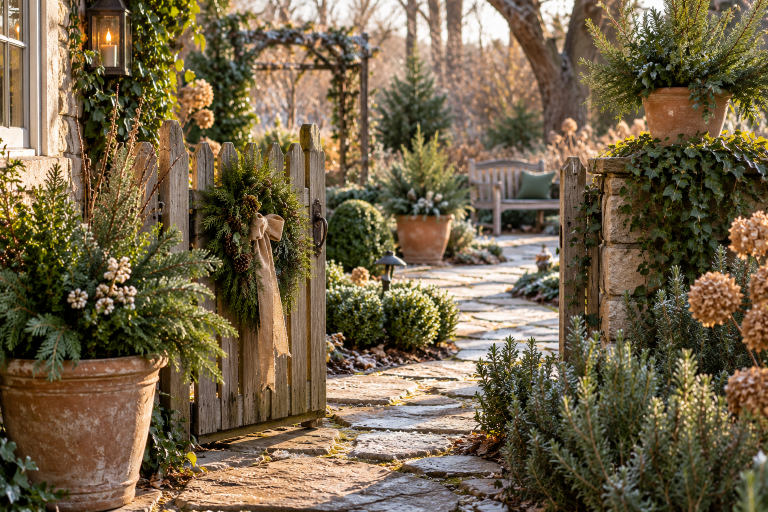
Evergreen branches, ornamental grasses, interesting seed heads, and sturdy containers can bring quiet beauty to the winter landscape.
A simple arrangement beside the front door or a few evergreen cuttings in a porch planter can make the transition between seasons feel intentional.
Even a resting garden can be welcoming.
One Thoughtful Step
Choose one small garden task this week.
Clean a favorite tool. Mulch a garden bed. Empty a container, or make a note about something you’d like to grow next year.
There’s no need to finish everything in a single afternoon.
A garden teaches us that every season has its purpose. Winter is not the end of its story. It’s simply the quiet chapter before something new begins.
Iron & Ivy Living